
10 Costly Mistakes That Make Travel Expensive (And How to Avoid Them) Many people believe one thing about travel:
👉 “Travel is expensive.”
But the truth is different.
Travel is not expensive bad decisions are.
From booking mistakes to daily spending habits, most travelers lose money in ways they don’t even notice. The good news? Once you understand these mistakes, you can travel smarter, spend less, and enjoy more.
Let’s break down the most common mistakes that make travel expensive—and how to avoid them.
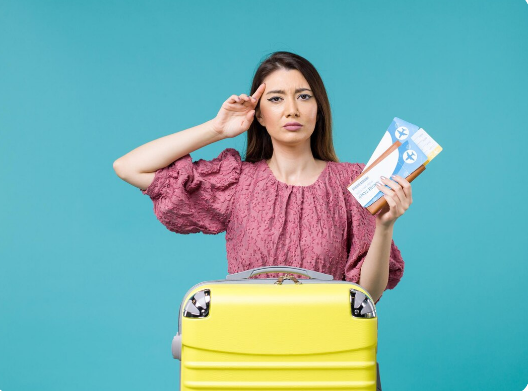
Why Travel Becomes Expensive (It’s Not What You Think)
Most travelers don’t overspend because they lack money.
They overspend because they:
- Don’t plan strategically
- Follow tourist habits blindly
- Prioritize convenience over value
Small decisions made repeatedly can silently increase your travel cost.
The key is awareness.
10 Costly Mistakes That Make Travel Expensive
1. Booking Flights Too Late
Last-minute bookings often come with higher prices.
👉 What to do instead:
Book flights at least 4–6 weeks in advance for better deals.
2. Choosing Taxis Over Public Transport
Taxis and ride apps can quickly drain your budget.
👉 Smarter choice:
Use metros, buses, or trains—they are cheaper and often faster.
3. Staying Only in Tourist Areas
Hotels in tourist zones are usually overpriced.
👉 Better approach:
Stay slightly outside main attractions and use public transport.
Try Inexpensive Family Vacations
4. Eating Only at Tourist Restaurants
Tourist-heavy restaurants charge more for average food.
👉 What to do:
Eat where locals eat—better taste, lower cost.
5. Overpacking and Paying Baggage Fees
Extra luggage means extra charges.
👉 Smart habit:
Pack light and carry only essentials.
6. Ignoring Free Activities
Many travelers spend unnecessarily on paid attractions.
👉 Reality:
Many cities offer free experiences like:
- Walking tours
- Museums (on certain days)
- Parks and cultural spots
7. Not Comparing Prices Before Booking
Booking without research often leads to overpaying.
👉 Solution:
Compare prices across platforms before confirming.
8. Traveling Too Fast
Rushing between destinations increases:
- Transport costs
- Accommodation costs
👉 Smarter strategy:
Travel slower and stay longer in fewer places.
9. Buying Single-Use Items Repeatedly
Small daily purchases (water bottles, snacks) add up.
👉 Better approach:
Carry reusable essentials.
10. Not Setting a Daily Budget
Without a budget, spending becomes uncontrolled.
👉 Simple fix:
Set a daily spending limit and track expenses.
A Smarter Way to Travel: The 3-Step Cost Framework
Instead of reacting to expenses, follow this simple system:
1. Plan Smart
Book early, research options, and avoid peak pricing.
2. Spend Mindfully
Choose value over convenience.
3. Travel Efficiently
Reduce unnecessary movement and waste.
👉 This framework helps you control costs without sacrificing experience.

Simple Habits That Save Money Instantly
- Walk instead of short rides
- Use public transport passes
- Carry reusable items
- Eat local food
- Book in advance
These habits may seem small but they make a big difference over time.
Hidden Travel Expenses Most People Ignore
Even when you avoid major mistakes, there are smaller, hidden expenses that quietly increase your travel budget.
These are the costs most travelers don’t plan for—but end up paying anyway.
1. Currency Exchange Losses
Many travelers exchange money at airports or hotels, where rates are often unfavorable.
👉 What to do:
- Use international debit/credit cards
- Withdraw from ATMs with better exchange rates
- Avoid multiple conversions
2. Roaming and Connectivity Costs
Using mobile data without planning can lead to surprisingly high bills.
👉 Smarter option:
- Use local SIM cards or eSIM
- Rely on Wi-Fi where possible
3. Travel Insurance Ignorance
Skipping insurance may seem like saving money but it can cost much more in emergencies.
👉 Reality:
A small upfront cost can protect you from large unexpected expenses.
4. Unplanned Shopping and Impulse Buying
Souvenirs and spontaneous purchases can quickly add up.
👉 Better approach:
- Set a small shopping budget
- Focus on meaningful purchases, not random items
5. Airport Food and Last-Minute Purchases
Airports are one of the most expensive places to buy food and essentials.
👉 Simple fix:
- Carry snacks
- Buy essentials before reaching the airport
The Psychology Behind Overspending While Traveling
One reason people overspend is not lack of knowledge—it’s mindset.
When traveling, people often think:
👉 “It’s a vacation, I’ll spend freely.”
This mindset leads to:
- Impulse decisions
- Ignoring budgets
- Paying for convenience
But smart travelers think differently:
“How can I enjoy this experience without unnecessary spending?”
That shift alone can save a significant amount.
Small Changes That Create Big Savings
You don’t need extreme budgeting to reduce travel costs.
Instead, focus on:
- Awareness over restriction
- Smart choices over cheap choices
- Consistency over perfection
Even saving:
- $5–$10 per day
can result in hundreds of dollars saved over a trip.
Pro Tip: Combine Budget + Eco Travel
Interestingly, many cost-saving habits are also eco-friendly:
- Walking instead of taxis
- Using public transport
- Avoiding single-use items
- Eating local food
👉 This means:
Sustainable travel is often the smartest financial choice too.
FAQs 10 Costly Mistakes That Make Travel Expensive
1. What makes travel expensive?
Poor planning, last-minute bookings, and unnecessary spending habits.
2. How can I reduce travel costs?
Book early, use public transport, and avoid tourist traps.
3. Is budget travel uncomfortable?
No, smart planning allows you to travel comfortably without overspending.
4. What is the biggest travel mistake?
Booking late and choosing convenience over value.
5. Can sustainable travel save money?
Yes, many eco-friendly habits reduce unnecessary expenses.
Final Insight
Travel doesn’t have to be expensive.
In fact, the best travelers are not the ones who spend the most but the ones who spend wisely.
When you avoid these common mistakes, you don’t just save money.
👉 You travel better, smarter, and more meaningfully.